
Home ⟶ Conventional heating and electric fireplaces, complementary equipment
Conventional heating and electric fireplaces, complementary equipment
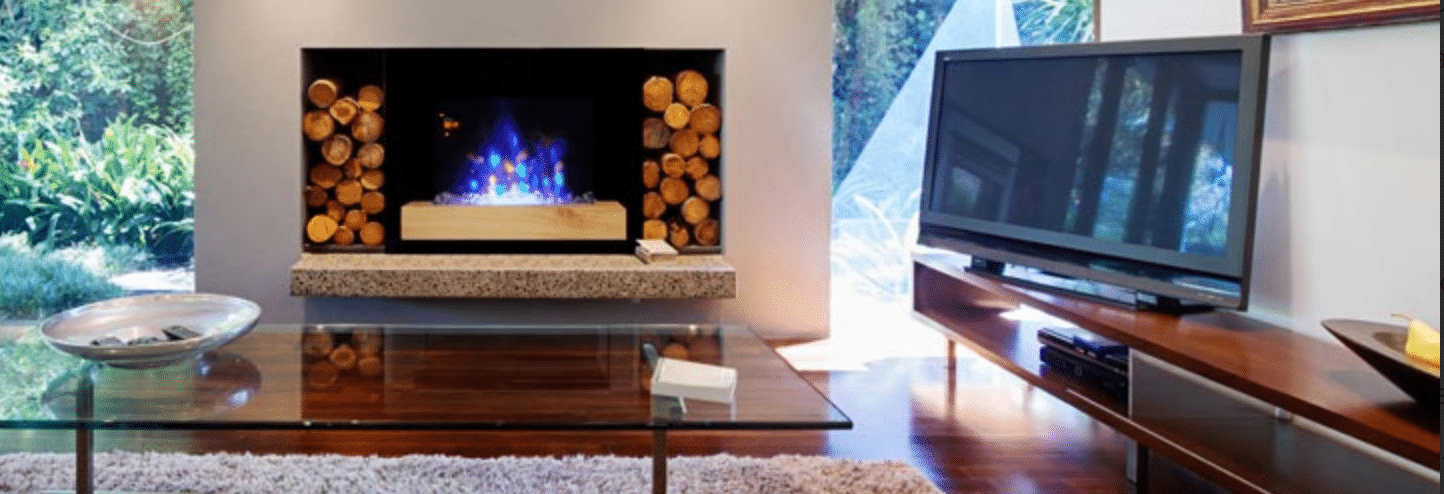
Offering the same privileges as a traditional fireplace, the new electric equipment represents a real cachet for the interior of a home. An economical and clean alternative for reducing energy consumption, the electric fireplace is renowned for its ability to produce heat identical to that of a simple heater. But do the two complement each other?
How does the electric fireplace heater work?
Generally speaking, an electric fireplace is a piece of equipment in the shape of a real fireplace. From the outside, it looks like a standard fireplace, with flames and pieces of wood burning inside. Like the standard heater, this fireplace diffuses the same heat into the room, with LED lighting.
This heat source differs from bio-ethanol models when it comes to heating power. On the other hand, the electric fireplace operates in the same way as a fan heater. The special feature of the electric fireplace heater is its back-up system, which is needed to heat other rooms. One of the special features of this fireplace is that it doesn’t emit smoke or carbon dioxide. As a result, it is often chosen by users to complement the decoration of their home, while retaining the look of a classic fireplace.
What’s the difference between an electric fireplace heater and a radiator?
As we know, the electric radiator is the traditional equipment used for heating with electricity. As technology advanced, researchers created the electric fireplace to reduce CO2 loss and provide another decorative element for the home. However, both of these devices can be used to heat the home with electricity as the energy source.
Electric radiators and their advantages
The main advantage of the radiator is that it doesn’t require a huge investment compared with other heating systems. This also applies to the cost of installation and maintenance, as all you have to do is buy the radiator and plug it into an electrical socket. The only drawback of the electric radiator is that it is not equipped with the latest connected devices.
Why opt for an electric fireplace?
While radiators have long been used to heat the home, there’s now a new, efficient solution in the shape of an electric fireplace. The latter is quite popular, as it can be found in most homes today.
Like the electric radiator, the fireplace is a simple piece of equipment to install. What’s more, recent models are equipped with a remote control, with options offered to facilitate operation of the fireplace. As for its main asset, you’ve no doubt heard about the aesthetic appeal of this equipment and its ability to blend in with the rest of the decor. The majority of models can be matched to any interior decor and according to your desires.
When it comes to the efficiency of the heating system, the fireplace has a thermostat that maintains the heat produced inside the room. With the ventilation mechanism, the heat is easily dispersed, but remains constant, as you only need to reactivate the heater to preserve it.
Is a heated electric fireplace enough?
Available in both traditional and wall-mounted versions, electric fireplaces can be adapted to any space in the home. As a result, they can be installed in the same way as conventional radiators, which can be relocated as required.
Today, the treatment of carbon dioxide and carbon monoxide is a major concern. As a result, electric radiators and electric fireplaces are the kind of equipment that don’t produce gas that is harmful to users. Both can be installed in any room of the house, even bedrooms. As they produce no ash or smoke, electric fireplaces and radiators are easy to maintain.
Electric fireplaces and central heating complement each other
Although electric fireplaces are highly efficient, they are not the only source of heat for the home. In fact, it can be combined with centralized heating to produce even more heat and warm the whole house.
We can say that electric fireplaces are additional sources of heat, since they remain compatible with conventional heating. Sometimes we find this type of heater in a living room, as this is the room that always receives a lot of visitors. In terms of power, both conventional heating and electric fireplaces produce a good intensity of heat.